

Building And Learning Real Estate Strategies From The Community With Michael Ham
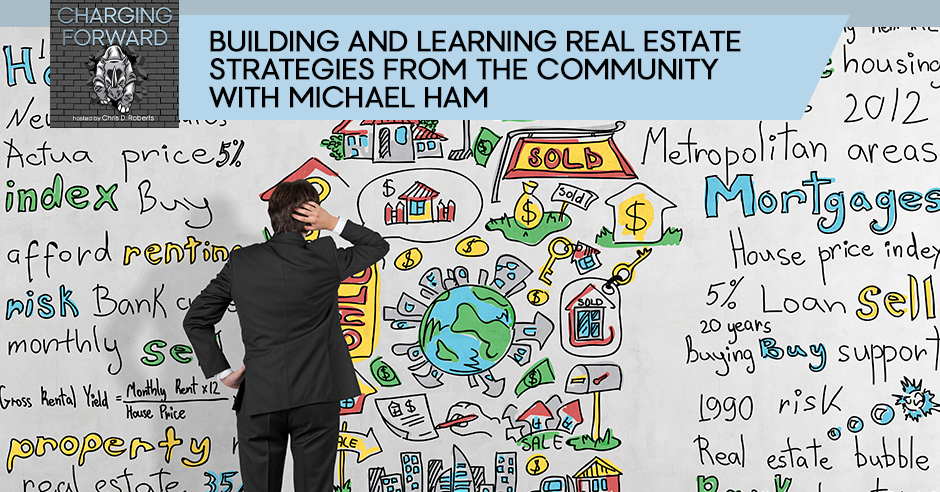
Community is just as important in the real estate world as it is in other spaces. Where else can you get sight of a potential deal, learn new real estate strategies or even just build life-long relationships? In this episode, Chris D. Roberts talks to Michael Ham, Sales Executive with Fidelity National Title Group as they discuss building connections. Michael leans into his experiences building a community, what he’s learned as part of one and why communities and relationships are important. Tune in for more real estate secrets and learn from our guest.
—
Listen to the podcast here:
Building And Learning Real Estate Strategies From The Community With Michael Ham
We are here with Mike Ham, the Host of the Morning Spotlight Podcast. I love the show. How are you?
It’s good to be on here. I’m so pumped that you started your show because those are the people that may know you were on the Morning Spotlight with me. That is my second most-listened-to episode of all time. Hopefully, I can return the favor and become your number one most listened-to episode of all time. That’s my goal.
Thanks, Mike. You are a dynamic person. I enjoyed being on your show and also listening to your show. You have a plethora, a wide spectrum of guests that come on, and including group meetings, which is cool. Everybody jams back and forth, and I enjoy that. Our readers will be checking out your podcast. What do you attribute the main driver behind your success or achieving some level of success? Success is defined in so many different ways by people. It doesn’t necessarily mean money or fame or any of that stuff, but a level of success or achievement that you’ve had. What do you attribute that to? Maybe you could share with us a little bit.
2020 was a key year for me, not just in my work, the show I started, but in life. For me, success came from the idea that I needed to be me, and last time I had always been unique. That time was when I decided that I would lean into it because everybody, no matter where you live, had a lot of time to sit and ponder. There wasn’t a lot to do. Everything was closed, especially here in New Jersey. Right out of the gate in March 2020, everything was shut down. You couldn’t go anywhere.
That changed everything for me and allowed me to have more business success once I started the show and started being myself on the show. I started seeing listeners go up. I started seeing more success in my relationships, friends, family and all that stuff. I would say that would be the biggest driver of my success. Everything is interconnected. I don’t think of it all in silos. It’s all one whole thing, like life type of thing. I am the biggest driver of my success.
You are the biggest driver of your success. Let me dive into that a little bit. What I love about that statement, especially in this day and age with social media and everybody’s being connected by the web, most people would agree because I’ve come across a lot of people in my life, sales and marketing career that are not who they are. That’s a general term. Everyone’s putting on a facade, whether it’s, “I’m putting on a ton of makeup because I’m ashamed of the way I look. I’m wearing certain clothes because I’m ashamed of how much I weigh. I’m acting a certain way because I’m afraid that my peers around me might judge me a certain way.” That’s the world we live in now.
It is interesting because, like you said, there are no silos. I do my thing. I’m who I am. It’s simple. That is difficult for people. To get out of their shell, be who they are, mostly because they fear there might be repercussions. One thing I like about your show is it is genuine. It is like two people jamming back and forth, having fun, laughing, and talking about life, and you feel like you’re not in those silos. You’re not in the real world. You’re enjoying yourself. I know who you are, and how you are, and all that, but give us an example? Maybe tell us a little bit about the show, how you do those things, how you’re Mike?
That was not something that I was good at before August or September of 2020. That was when I started seeing the turnaround and where I am a year later, this is as polished as I’ve gotten at 31 years old, but it took me 30 years to try to figure it out. It’s funny that you said that you put on the facade. I always like to joke that I probably had 5 or 6 different personalities that I would have to put on, one for my title insurance sales, one for my family, one for my friends, one for if I was going on dates with girls, one if I was at work. It was exhausting. It wasn’t until I took a step back and said I’m going to be me and see what happens.
The more practice you get at anything, the better you get it.
What’s the worst that can happen. Nothing horrible will happen. Once I decided that I would lay it all out there, the people who would resonate with that would resonate with it even more, as opposed to the watered-down version of me. The people who don’t resonate with it, that’s okay because it’s not for everybody. You can’t be a person for everybody. That was a big realization that I made at some point. I can’t be friends with everybody. I can’t please everybody. You have to pick the people who are important to you, and those are the people who are going to stick with you because they know what you’re all about.
Even when I started the show, it was a scripted LinkedIn video series. I would get on there with a suit jacket, tie, shirt and my little earbuds. I would read three questions to you as my guest and you would read your three answers back to me. As you can imagine, two people reading on a Zoom call. It was electric content. It was successful in its way and allowed me to get comfortable being on camera and talking like this like we’re doing right now. Eventually, I decided to interject myself more into these conversations. I did 60 episodes of that first one. At the beginning of the new iteration of the show, we were doing a lot of panel episodes and then eventually got into more one-on-one conversations.
I found that I liked learning about people, like when you and I got on here. We didn’t talk about what you do right now. We did, but that wasn’t the hour-long episode that we did. We talked about your whole story and how you got from where you were to now. Whether there are people that are in the real estate business, whether the people that are former professional athletes, whether they’re people like you, whether the people like musicians, other podcasters, everybody has a story. The more I dove into those stories and the more I learned what made people tick, you start to pick out similarities, even though we have nothing in common that I feel about myself. That’s something that an experience may be that’s similar to one that I’ve had. How do you approach that?
One of the things that I noticed was the more I started learning about people and getting excited about connecting with those people, that’s when things started picking up. I started doing two episodes a week. We’re thinking about maybe going back down to one because I’m starting a whole new podcast. It gets me so jacked up to have these conversations. I hope that answers your question. I rambled on there for a little bit, but hopefully, I hit it at some point in that answer.
You did, and there’s no right or wrong. That’s the lesson here. Being yourself isn’t right or wrong. If it feels good, then this is as genuine as you possibly can. You have to be careful because there are professional environments. We work in their circle of influence, we’re around, and such. It’s funny as you were talking about the suit coat. One of the things I said was, “We’re jamming and vibing on this interview. You’re the kind of guy I could do business with. I can have a beer with you. I appreciate that.” Here you are. You look like you’re working at a mechanic shop. You’re casual. You got your name tag shirt on. That’s the real Mike. It’s like, now Mike can be professional. He can go to a convention. He could wear a suit. He could do all these things. The real Mike is like, “I’m like just like you. I put my pants on the same way. I go to work the same way. I have fears. I have things that I’m inspired to do.”
It’s all good. I liked that because it’s one of those things where there are endless topics. I’m a people person. I enjoy hearing people’s stories as well, especially older folks who have been there, done that, and experienced things that we will never see, that wisdom. When you talk to people, it’s amazing. If you take a second and listen, you can learn a ton, even more so than you can in books, but no one’s taking the time to get to know people and absorb and listen to those stories. I think there’s so much missing in people’s lives if we don’t take time to get off the games and shows and interact with people again.
It has not mattered who I talk to. There are stories out there that resonate with everybody. The Morning Spotlight started as a real estate-focused podcast and eventually expanded into doing more things. Early on, I had a couple of people come on and share the stories, and they weren’t necessarily focused on real estate, but I felt like maybe I was going to be able to draw some connections. I decided that I wanted to push the envelope more, and more like, “Who can I get on this show that I can have share stories that would resonate with the audience?” Even the people that we have are real estate-focused. We don’t talk a ton about what they do in real estate.
We talk about their stories, what got them here, what drives them, and all that stuff. To me, I find it inspiring and empowering. The more you learn, the more you’re able to use those things in your own life. It’s funny how you start to see similarities in a lot of these conversations. It’s not like, “Here’s one conversation, here’s another conversation.” You tried to pick out being yourself, not worrying what other people think. Rich Dad Poor Dad has been a book that’s been shared on probably 75% of the episodes that I’ve done. You started finding different things that drive and inspire people, all that stuff. I am lucky because I get to sit there and learn all this stuff and have those direct face-to-face Zoom to Zoom conversations with everybody.
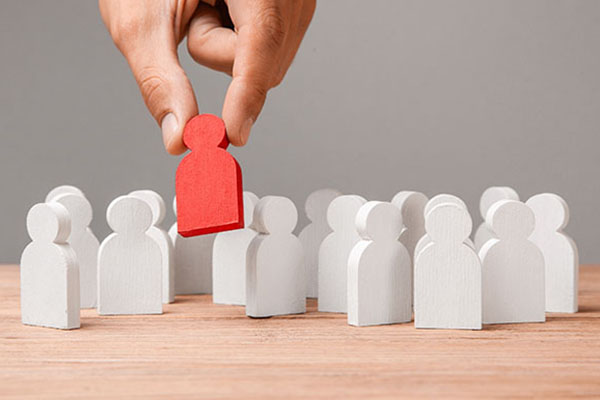
Real Estate Strategies: You have to pick the people who are important to you, and those are the people who are going to stick with you because they know what you’re all about.
I couldn’t agree more. It’s fascinating to hear people’s stories from all over the place. There are common denominators. Whether it’s, “I get up earlier. I educate myself constantly. I self-educate. I dedicate some time to my health. I keep hustling. I kept working, putting in the time. I didn’t listen to the naysayers.” You hear all these different things that are common denominators between successful people and those who constantly make up excuses.
It’s interesting in your show that you interview lots of different people. I was surprised to see some of the guests from the sports world, the real estate world, all kinds of other sectors. Can you talk a little bit about that? That’s interesting to bring in guests from all over the place. As you said, you started with real estate, but real estate isn’t the key. It’s people, relationships, and the stories that are telling. That resonated with you. Can you talk a little bit about your journey into the podcasting world, how you digress or not digressed, and how you diversified so much?
Early on, within my first ten episodes or so, I did a health and fitness episode. I did an episode with a mental skills coach with the Philadelphia Phillies, Hannah Huesman. I did an episode with Devon Harris. Do you know the movie, Cool Runnings? He was part of the first-ever Jamaican bobsled team that competed in the Olympics. He’s like a real Jamaican bobsledder. He was a three-time Olympian. Out of the first 10, 7 were real estate, 3 were not. I felt health and fit were good for that time because people were getting themselves back or staying in shape. Devon, an Olympian, has stories to share that would benefit anybody.
That was my first foray into that whole thing. The more people I met in the podcasting world doing different networking things, expanding the show, hooking up with other communities of podcasters. That’s when I started to see that I could bring in people. Maybe March of 2021 was when I decided that I would go and commit to doing two episodes per week. I’ve been doing that. Last time was the first time that I missed one. It wasn’t because I didn’t have one in the hopper. I didn’t have time to put it all together. From March through September, I was doing two episodes a week because I could see the benefit of having all these different people on.
The more people I had on, the more that drove me to find more people to talk to. It was one of those things where my business as a title insurance sales rep is built on relationships and service, especially here in New Jersey, because the rates for title insurance are regulated. It doesn’t matter what company you go to. You’re going to get charged the same price for the same product. The more conversations I had on the show, the better my conversations got on the show. The better my conversations got in real life. I talked to so many different people from so many different walks of life and backgrounds. Communication styles, inflections, voices, and all that stuff, you get good at it.
I started things opened back up here in New Jersey in the summer. I was able to start going back to some events and out to lunch again and do my thing. I was blowing myself away because I was like, “Who the hell is this guy?” Do you know what I mean? This was not the guy that I had left behind before 2020. He was good at his job and did a great thing. Suddenly, I have all these conversations under my belt, and it’s made me a more effective communicator. It made me a more effective listener. When I sit down with potential clients, not just the networking side of it, and then expanding the network type thing and the relationship building, the communication has been off the charts since I started doing this show and doing it more. The more practice you get at anything, which is why I pushed the envelope with how many people I have on the show, you get better at that particular thing. I’ve gotten better at talking
Readers, what I want you to take away from what Mike said here is to think about that for a second. That’s scary. A guy who’s not used to going out into the world and talking to a ton of strangers, he’s in the insurance business, but this isn’t his forte and said, “I even went out with the suits. I tried this particular format with questions to keep me on track but then realized that to expand my skills and build my base, I’ve got to get outside my comfort zone.” There’s a parallel here too. When I learned to overcome my fear of heights, it’s like, it doesn’t matter if it’s talking to people. The top two fears are speaking in public and my fear of heights.
It’s one of those things where whatever your fear is, it’s one of those things where you do have to lean in. You have to lean in, and you have to go for it. Through that journey, you’re going to find a lot of healing in that process, and you might find that you’re good at it. You were holding yourself back. Interestingly, you diversified your guest list and leaned in with two interviews a week, which is a lot. You’re working full-time. You got a job.
Once you show up, you don’t know what’s going to happen, but if you never show up, nothing’s going to happen.
I’m also crushing it at that job and doing two episodes a week, so what are you going to do?
That’s not an easy thing to do, but and I’m asked this as well, and this is why I want the readers to take this to heart. There’s no overnight success. You had a vision for going out, perhaps building a couple of leads, or getting some networking going where maybe someone might refer somebody to you. Through that journey, you created a business, a great business that you’re good at. Through that, by default, you get leads, you build relationships, you do all those things. It’s like charity. You don’t do it for recognition. You do it because you want to make a difference in help. Through that journey, you might find that you meet some people who might want to do business with you.
For guys like us who are doing podcasts, and running businesses, and things like that, it’s fairly easy to stay inspired because you’re going out. You’re trying to create something, but how do you stay motivated? It’s a lot of work. It is the stuff that no one sees, the tip of the iceberg. The editing of the show, producing, scheduling, work, and on top of that, relationships. What do you do to keep yourself inspired?
This is going to be almost a cop-out answer because, to me, the tip of the iceberg is the actual episode itself. You see all the other stuff that goes on underneath, like the scheduling of the guests, the actual recording, editing, marketing of that episode, putting together those different clips, all that stuff. I’m a one-man show. I do everything. I schedule and record the guests. I do all the marketing clips. I put everything together, the editing. I don’t have anybody that works for me that does anything like that. It’s important to keep me motivated because some of that stuff can get tedious. You said, with a full-time job, it’s not like, “This is what I do.”
I have a limited amount of time to get this stuff done. For me, the drivers are those conversations. Once I wet my beak with those first few conversations and started rolling with the people I was having on the show, I was like, “This is so cool.” It was especially early when I started feeling like I was being me on that show and running it the way the real Mike Ham would run it. I felt so comfortable with myself, and it was my happy place almost. It doesn’t matter what’s going on. It doesn’t matter what’s happening with work or in life. If I have an opportunity to talk to somebody on that particular day, and hear their story, and talk with them, and get energized because I’m a guy with a decent amount of energy, and have those conversations, it’s like, “That’s what keeps me going. That’s what pumps me up.”
Over the summer, I remember trying to get out in front of a bunch of recordings, and I had recorded maybe 7 episodes in 1 week. I had a guy on the show who was a friend of mine here in New Jersey. He has a podcast and does a lot of stuff in the podcasting world. I was telling him what I was doing. He was like, “You’ve done how many episodes this week?” I was like, “Seven.” He’s like, “Why?” I’m like, “A) I need to get in front of it. B) It’s not work for me. I love to talk to these people, and I love to communicate and do those different things.” I would say that that is how I keep myself going.
Last time, I did two. I’m going to do another one later. Most days, I get to talk to somebody new, and you never know what that conversation is going to lead to. It could be something inspiring for me. It could lead to business, which it has in the past. It could lead to a variety of things, so that’s something that keeps me motivated because once you show up, you don’t know what’s going to happen, but if you never show up, nothing’s going to happen.
The reason I love that answer is because you go on this journey, you’re breaking through the fear, and you’re trying to figure out, “How do I get out there and talk to people? “This would be great.” Through that, you find a passion. You find something you love, and there’s nothing wrong with being inspired by the work. That’s what most people aspire to attain. They always tell you, you’ve got to do what you love. How do you do what you love? Most people don’t love shoveling coal, flipping burgers with grease, washing dishes. Through that journey and through that hard work, you might find that you get promoted and get into a position where you do feel good. You do like it. You are inspired. Maybe you’re managing people or your supervisor. If you don’t put your all in the beginning and break through a lot of those fears and challenges, you’re never going to get to that what I love thing.

Real Estate Strategies: If you’re going to do anything, why don’t you want to be the biggest, most great version of that thing that you could be?
It was the classic undersell over-deliver type of response.
Of all the things that you’ve done or the people in your life, is there a particular individual, book, saying, or a quote that has been a mentor to you, something that you’ve looked at, or something you look at that keeps you on track? If there is a mentor, let’s say, would you mind sharing a little bit about them? It could be a book. A lot of folks who are having trouble, let’s say their environment is not conducive to success, or they don’t have that good, positive circle of influence. There’s a ton of media out there. With all the stuff going on the internet, you can get sucked into junk. Is there something that stands out for you, and it could be something a guest talked about that you picked up on that is an indirect mentor to you?
I’m going to start with a quote. For me, there’s one quote that I try to do. It’s a Gandhi quote, as told by Mike Ham, “If you’re going to be a bear, be a grizzly.” If you’re going to do anything, why don’t you want to be the biggest, most great version of that thing that you could be? If I’m going to sell title insurance, I will be the greatest title insurance sales rep you could find. If I’m going to be a podcaster, you better believe that I’m going to be the biggest, most great podcaster that’s out there.
It could be as simple as like, “If I’m going to stink at golf, I’m going to go out there, do as best as I possibly can, own it, and have fun. I’m going to do it. We’re going to have a great time.” That would be my thing. It can apply to everything beyond work or podcasting, or anything. If you’re going to exercise, why are you going to sloppy something? You don’t want to be a koala bear. You want to be a grizzly bear.
I would say that. My parents have been influential in my life for my entire life. My dad growing up, was like the guy for me. Interestingly now, as I’ve gotten older, my mom has been my sounding board, mostly because my mom has zero filters. I’ve done a lot of stupid stuff in my life, as many people have, and gotten myself into bad habits or bad situations. She is the person that will call me out on my shenanigans. Without hesitation, she’d be like, “Listen. This is dumb. You’re going to regret it.” Early on in life, we would get into these head-butting matches. It was like one of those things.
It was terrifying because then I realized she was right on 99% of these things as I got older. Especially now that I’ve taken some of that advice and used it, I’m a better man for it, even if I start going down the wrong path or maybe not taking care of myself as well as I should. She’s the person that grabs the wheel and turns the ship back on course. I wouldn’t say I’m a mama’s boy because I’m independent. I live on my own. I don’t live at home. At the same time, she’s my mother. She can pick that stuff out. You have a different connection with your mom than you do with anybody else.
Readers, what I want you to take away from that is that while he has great parents, the values they were bringing or the knowledge they were trying to share come out in different times in his life. For example, early on, maybe it was dad growing up, this, and the other, not that mom wasn’t there. All of a sudden, as he’s getting into his professional career, he realized that mom had given him some advice, maybe things he doesn’t agree with, but open to listening to those things and that pushback, which we all have to have, and that helped guide him as well.
On a broader scale, even outside of your parental influence, maybe you don’t have parents around, or you’re out of the house. What do you do? You try to find resistant people. You want to find people that are not always agreeing with you. You want to find people that are going to challenge you. You want to surround yourself with people that are elevated a little bit higher than your level. They’re going to push you and challenge you. Otherwise, you’re around a bunch of yes-men. You’re never going to progress.
If you’re around people that challenge you and push you out of your comfort zone, all of a sudden, you start getting more comfortable in those situations.
It’s a similar type of thing. You never want to be the smartest person in a room because you can’t learn anything. If you’re constantly surrounding yourself with people that maybe are less ambitious or less motivated than you, eventually birds of the same feather flock together, as the saying goes. You’re going to all level out, and you’re going to start doing the same thing. If you’re around people that challenge you and push you out of your comfort zone, all of a sudden, you start getting more comfortable in those situations.
For me, this was like a self-starter-type thing. I had people networking partners and friends of mine that were talking. I had this idea of maybe trying to push beyond what I was doing with the show’s original iteration. I remember we were still stuck on Zoom. I was sitting on my balcony. I was on a Zoom call with two other people. We were having a drink and talking this out, and the two of them were like, “You need to interject yourself more into these conversations. You need to get yourself out there more.”
That was the driver that pushed me over the edge and got me to do the show the way I do it now. A conversation like that with people that I respect and like, was able to thrust me into the next level of what I’ve been trying to do. Over time, you start picking up more and more people because I feel like the vibes you put out are the types of people you attract. If you put out terrible vibes, you’re going to attract terrible people. If you put out good vibes, you’re most likely going to attract good people, but then you’re also going to be aware of who doesn’t necessarily vibe with that vibe.
Mike, we talk about this on the show all the time. For the readers, we talk about the value proposition. Trying to figure out what your strengths are? How do you go after your dreams, goals, and all of that? Often, we can’t even identify within ourselves what our strengths are. It’s like, “I’m good at punching holes in this thing, I’m good at flipping this, or I’m good at that,” but that may not be your core skill set. What’s interesting about what Mike said is he’s around people that are influential in his life, and they’re saying to him, “Mike, you got to be you. You got to come out of your show. You’ve got to start talking more. You’re good at this stuff.” He says, “I can’t even see that. Were you’re kidding me?” Mike finds through his journey that that feels good. He found success there.
It’s funny how conversations throughout your life, you can pick some of them out, and think that was a key conversation that moved the needle on what happened next. If not for that one conversation that I described, maybe I will get to where I am now. Maybe it takes me longer or I never pushed beyond what I was doing. Maybe I never even start this iteration of the show or I stay with what I was doing or let it die. Even having conversations with people that introduce me to people who have become influential in my life is like the butterfly effect type of thing. You never know. It comes down to showing up as close to 100% as you possibly can and showing up as often as you possibly can as that person.
You’re never going to be the same person every day. I don’t believe that because I feel like every day is different. You don’t know what’s going to happen, but as long as you’re able to put as much of yourself out there as you possibly can, good things start to happen. You start seeing opportunities that present themselves because you’re showing up, and you’re having those conversations, and you’re talking to those people, and you’re meeting those people. That’s been something that I’ve noticed for myself over the last couple of years now. That has been something that’s changed my life.
We are always evolving. The challenge is that life grabs you. You have kids, work, stress, and health issues. All of a sudden, you forget like, “Who am I in this world? What am I doing all this for?” That’s why it’s important to get grounded, surround yourself with people who can reiterate or even highlight for you what your strengths are so that you can get back on point. It’s like what you said, “Mike this, that, and the other,” and you’re going, “Maybe I didn’t see that.”
Someone else identifies, and you may even ask certain people in your circle of influence, “What do you think about me? This is crazy, but it’s like, what do you see?” How are the interactions? How do you view it? What do you think? How do you see me as a presenter? Where do you see my strengths? This is a fun exercise with a couple of people close to you, and you might be surprised at how they share how they view you. You realize, “I’m a little overbearing. I’m a little aggressive. I’m not coming out of my shell enough, or that one time I presented up on stage, I was good. I couldn’t see it because I had never asked anybody. I wasn’t open to it.”

Real Estate Strategies: If you get somebody that says like, “You’re good at this stuff, but if you need an area of improvement, this is what it is,” then you know you got a real one, and that’s the type of person you need to have around you as much as possible.
It’s one of those things too. That’s a terrifying conversation to have and ask a friend. If you’re friend, we were talking about the yes-men or women, are like, “You’re so great. You’re so good at everything.” This person is blowing smoke, and it doesn’t make a difference. That goes back to the fact that if you get somebody that says like, “You’re good at this stuff, but if you need an area of improvement, this is what it is,” then you know you got a real one, and that’s the type of person you need to have around you as much as possible.
Mike, of all the things we’ve talked about, what would have been, whether it’s an epiphany or a tipping point, something throughout your journey that clicked or sets you on the right path or the path that you feel is a path you want to continue down? We’re always shifting in this life. We’re always going down different roads, but was there a tipping point or an instance that hit you where you were like, “This is it. This is right?” It could be anything personal or professional.
I would have to go back to 2020. Once I had that conversation and recorded the first episode of this iteration of the show, which was not the same person that you see. I didn’t realize it, but that was the first time we started to shift into who we are now, what we’re doing, and all that stuff. I say we, but it’s me. As I progressed through that journey, and the more I started feeling comfortable with myself, the one thing that I would say that is the most important is you could be yourself. You could do all that stuff. You can operate in a little bit of a bubble, but then once you start to take yourself and see what’s the community that I’m attracting, and for me, it was the people that I had on the show, I was big on Clubhouse at the beginning of the year.
I started running my rooms, and hosted my conversations, and did different things like that. That developed a whole new community for me. One of the things that I would say too is you could have a community, people that you like and respect, but once you start to reach out and tap into that community, people would be surprised, especially if they’re practicing what we’re talking about with being yourself and putting yourself out there. People will be surprised with how willing to collaborate, give, and have those conversations with people that fall within that community. People know, like, and trust. People like to do stuff and have those conversations do business with people they know, like, and trust.
Earlier this year, I pushed to connect with the community that the podcast had built, be it guests, listeners, or my clubhouse community. I was blown away by what I was able to do. We hosted a one-year party. We had fifteen people show up to a Zoom birthday party for a podcast. I was like, “That’s not a ton, but that’s way more than I thought.” I thought it would be like me having a drink, talking about how great my podcast is. It was fantastic, and then even through sponsorships and all those kinds of things, getting more guests and connecting with more people, tapping into that community was key.
It only wouldn’t have happened if I had never started this show. That community does not exist. The Mike Ham that you read does not exist either. It’s all connected. I used to think of life in silos, like, “If I get this one on track, then I got to get this one on track.” It’s ever-flowing. It’s a quest. You’ve got to try to combine all these things. Each one affects you, affects everything, but each different part of your life affects the other. You want to make sure that you’re living in balance.
We’re all interconnected. The more positivity you throw out there in the world, the more that seems to come back. It’s funny that you talk about the show because often people will start. They’ll have only a few people coming in on their Zoom presentations or whatever it may be, but it doesn’t matter as long as you’re impacting that 1 or 2 or 3 people’s lives because they’re going to tell other people. Eventually, it becomes bigger than you could have ever imagined. If you have that mindset of I’m going to give, I will help. I’m going to try to inspire. Things work out. It’s when you’re selfish, and you’re thinking, “I’m going to grow ten leads. I’ve got to go out, and I got to do this.” That’s when it becomes not so much fun. That’s when it becomes work-driven, not people-driven.
It’s like you put good out, and good comes back. It may not come back right away. It most likely will not come back right away. Eventually, it will and you will be surprised. You’d never expect it. I’ve been selling title insurance and podcasting for a few years now. I see the results of conversations that I had a few years ago. I’m seeing results from conversations I had a year ago and weeks ago. You never know when that good’s coming back to you, but the more you’re able to put it out there, the more likely you’re going to get something in return back from those people. Not that’s what it’s all about, but it’s the way that the world works.
I can attest to that. We put out content constantly on our real estate deals, and it might be two years, and all of a sudden, someone reaches out on Facebook and says, “I noticed that you were putting out all this real estate stuff. What is that? I’m looking to put my money to work.” You start having a conversation, and someone invests after two years of content that you’ve got 1,000 followers. You don’t realize that all that positive content you’re putting out, which is painstaking sometimes, might impact someone at some point. It’s like your insurance. All of a sudden, someone goes, “I know someone who bought a building. We’re looking for title insurance. What is it exactly you do? I remembered your name and your show.” You’re like, “That’s crazy. How’d you hear about me?” “This one Zoom thing my buddy told me about.”
It happened to me. I had met this woman years ago, not even in person, just an email intro. If you go on LinkedIn, and you’re connected with me. Even if you’re not connecting with me, I am constantly on there and trying to put as much stuff on there as I can. She sent me a LinkedIn message, which never happened. I never get them out of the blue, which I’ve got probably 4 or 5, because of the stuff that I’ve been putting on there. She’s like, “I’m about to put an LOI on a big multi-family project. You’re in New Jersey. Can you help with that? I saw you’re putting your stuff on here.”
We had a phone call, and hopefully, the LOI goes through, and they sign a contract because then I’ll get a nice deal. If not for putting myself out there, and if I had never met that person or never had an intro email sent, you never know. Be out there, put yourself out there in front of people, as often as you can. You’ll start seeing results. If you never show up, nothing will happen. Some people are cool with that, but I’m not. I need stuff to happen. I’m a busy guy.
That’s good advice, Mike. It’s been an absolute pleasure having you on. I love you and I love your show. It even inspired a ton of people. I love the interaction with your guests, and I’m sure our readers will chime in as well. Can you tell the readers how to find and connect with you?
You can go to TheMorningSpotlight.com. That is the hub for me and the podcast. If you were in real estate and you needed a title insurance quote, you can do it right on there too. Connect with me through their Instagram, LinkedIn. Everything is on TheMorningSpotlight.com. That’s where I always send people. It’s a good site. It’s got some pictures and videos of me. It’s got to be good.
We appreciate you tuning in. Thanks, Mike.
Thanks, Chris.
Important Links:
- Morning Spotlight Podcast
- Rich Dad Poor Dad
- Instagram – The Morning Spotlight
- LinkedIn – The Morning Spotlight
About Michael Ham
 Mike Ham is a Sales Executive with Fidelity National Title Group, the nation’s largest group of title companies and title insurance underwriters. Throughout his career Mike has been a constant networker, forming the “Next Generation of New Jersey” networking group to give young professionals of all industries an opportunity to connect. Mike started “The Morning Spotlight” in 2020 as a daily LinkedIn video series. After 3 months, The Morning Spotlight transitioned into the more traditional podcast format it is today.
Love the show? Subscribe, rate, review, and share! http://chargingforward.com/
Ready to plan your early retirement?
It all starts with passive
income. Apply to join
the Sterling Rhino
Capital Investor Club.
Already working with us?
Welcome back.